Camping is a great way to get outside and connect with nature. This connection can be strengthend when you leave the vehicle behind and carry what you need into a remote campsite by a human-powered mode of transportation. Multi-day paddle trips offer an immersive experience in nature and a connection to the journey that cannot be achieved while car camping. British Columbia hosts too many great multi-day paddle routes to count (https://paddlebc.ca/best-flat-water-paddling-trips-in-british-columbia/)), from iconic routes such as the Bowron Lakes to lesser-known gems such as the Powell Forest Canoe Route on the Sunshine Coast, and a host of river and ocean routes. While the rewards of such trips are innumerable, some logistics and safety considerations are crucial to making a successful journey. Planning a successful trip requires careful consideration and preparation, whether gliding along in a canoe, maneuvering a kayak, or exploring on a stand-up paddleboard. In this guide, we’ll navigate the essentials with the help of some experts to assist you in creating an unforgettable journey on BC’s breathtaking waters.
Route Planning
When planning a route, it is essential to have prior knowledge of how far you can paddle in a day and account for the possibility of a headwind slowing you down. Additionally, it is important to plan routes with options to pull out your vessel early if the weather turns. Some water bodies, such as Arrow Lakes, are known for having prolonged sections where steep banks make it difficult to remove your vessel from the water. For this reason, multi-day trips on these water bodies are better left to be taken on by experienced paddlers.
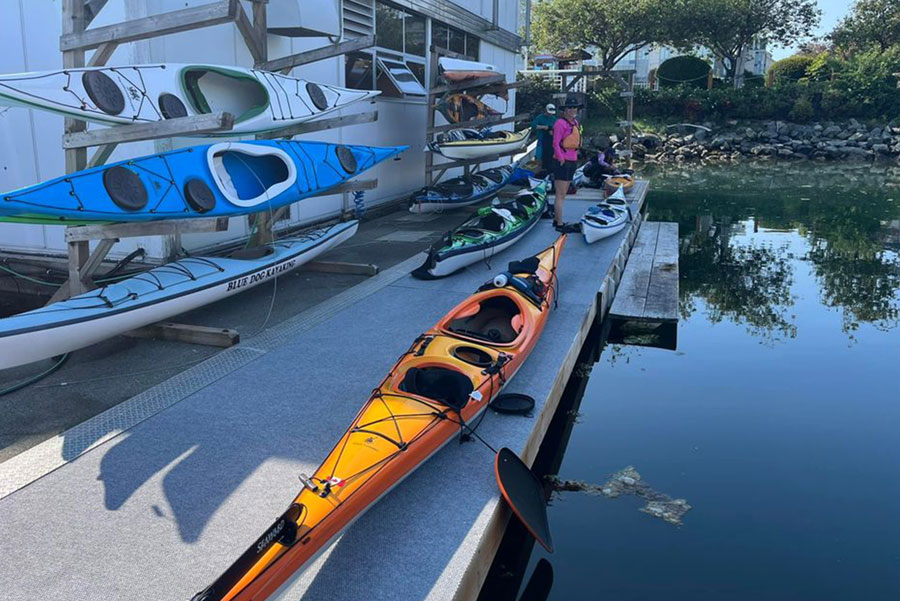
Amber Champion from Blue Dog Kayaking is a certified guide and instructor who regularly leads trips in the Southern Gulf Islands (https://bluedogkayaking.com/guidedmultidays). When asked about tips and tricks for planning, Amber said, “Always have a backup plan—and a backup for that backup.” When dates are firm, Amber recommends having at least three options for your trip. Otherwise, you might miss out on optimizing the opportunities for the given time. When the weather or conditions are unfavourable for the intended route, Amber’s first backup typically involves routes or activities that can handle less-than-ideal winds and conditions: this might be a sheltered bay or a nearby lake. The second backup often includes base camping options, allowing her to “settle in locations with centralized fun and exploration opportunities if mobility becomes an issue.”
Campsite Selection
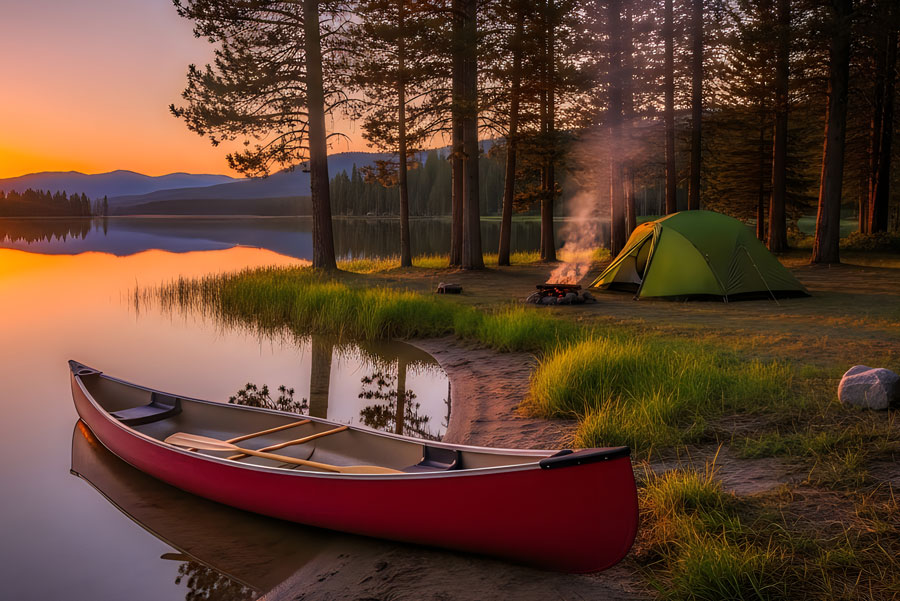
When choosing campsites, look for spots that meet the route’s needs. Consider how many days you have available to cover the route’s distance and map a reasonable distance to cover daily between each campsite. Amber suggests looking for spots that can accommodate more people than just her group. She also considers locations that can be reached by motorboat, in case of an emergency.
Checking the Weather
A key aspect of planning a multi-day trip is paying attention to the weather. Amber emphasizes the importance of “positioning yourself somewhere safe for exploration while having options if conditions change” (which is common on the West Coast, where she is based). While many people check forecasts a few days before their trip to adjust routes, change camping spots, or decide to cancel, Amber advised, “It’s just as crucial to monitor the weather during your trip.” Ongoing weather monitoring helps you anticipate changes and ask important questions, such as whether it is safe to return to your launch site and whether adjustments need to be made. Amber said that “being able to obtain, record, and interpret weather forecasts is the most important skill for paddling, yet it’s often overlooked.”
Group Size
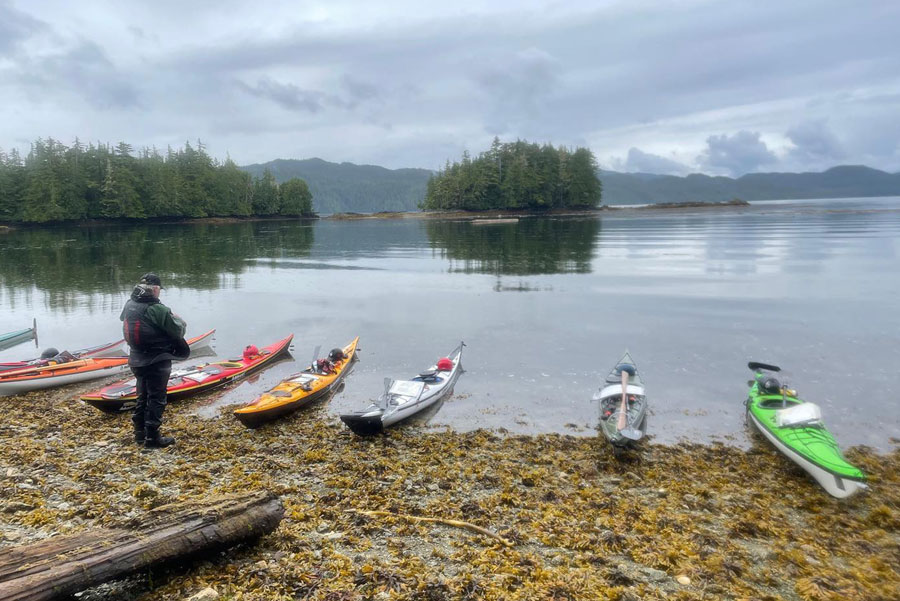
Amber generally doesn’t recommend going on a trip with fewer than three people. “Making big decisions and navigating complex situations on the water is much more challenging with just two. If one person can’t paddle, gets injured, or capsizes, the other is left to manage the situation alone.” She continued, saying, “When there are three people, there’s always an extra set of hands, or at the very least, someone available to call for help.” There is strength in numbers.
Get Going Early
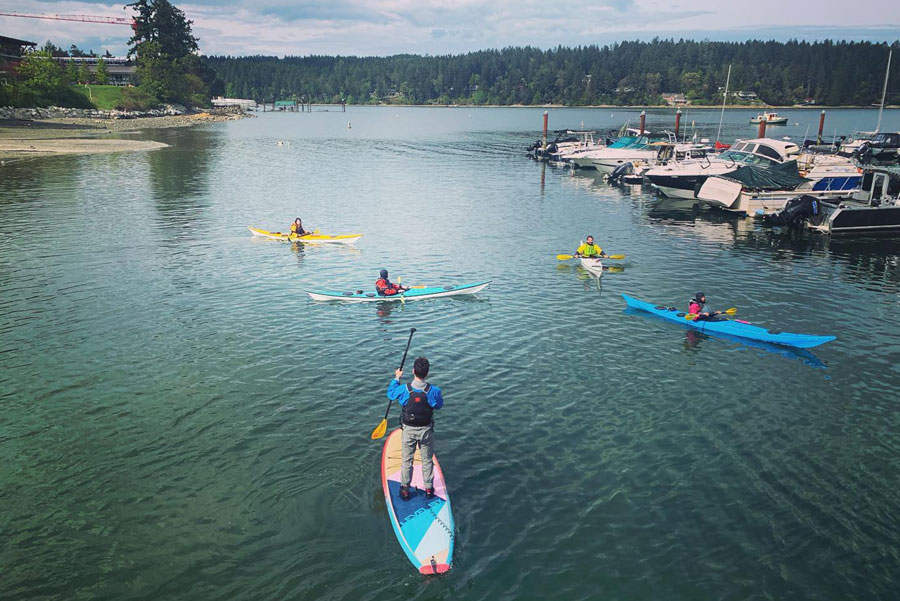
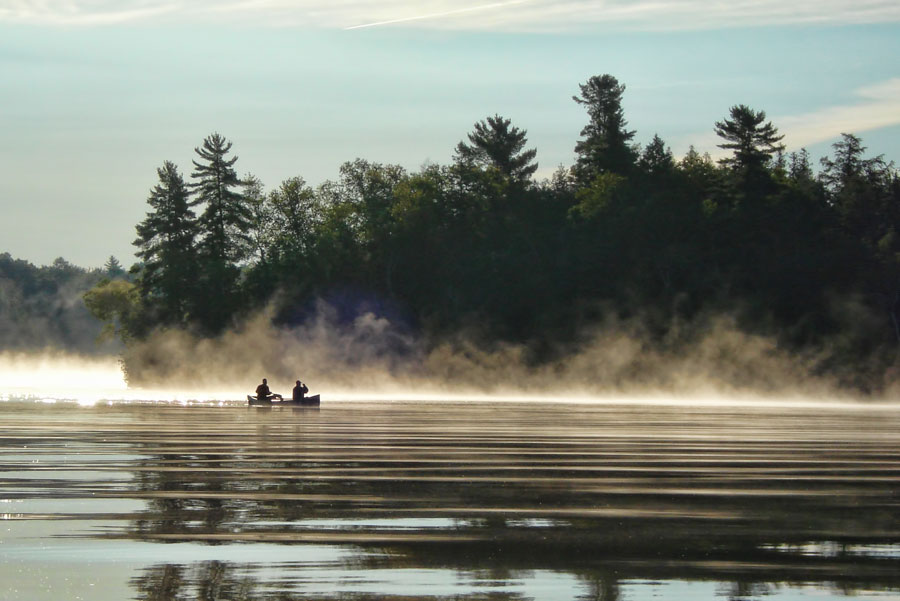
Norm Hann (https://normhann.com/#experiences) is a guide who leads multi-day stand up paddle board trips on rivers, lakes, and coastal waters all around British Columbia and beyond. When asked for tips for multi-day trips, Norm emphasized the importance of getting started early in the day. He shared that while it is particularly important in any coastal situation, getting going early is also a good habit anywhere you paddle. Getting up and on the water early helps to “optimize your day by giving yourself lots of time to rest and recharge when you get into camp.” He also shared that getting up early helps you avoid daytime summer winds that generally build throughout the day, making travel more challenging or dangerous. And a bonus benefit to starting early: “There is nothing like a beautiful sunrise.”
Choose Your Partners Wisely
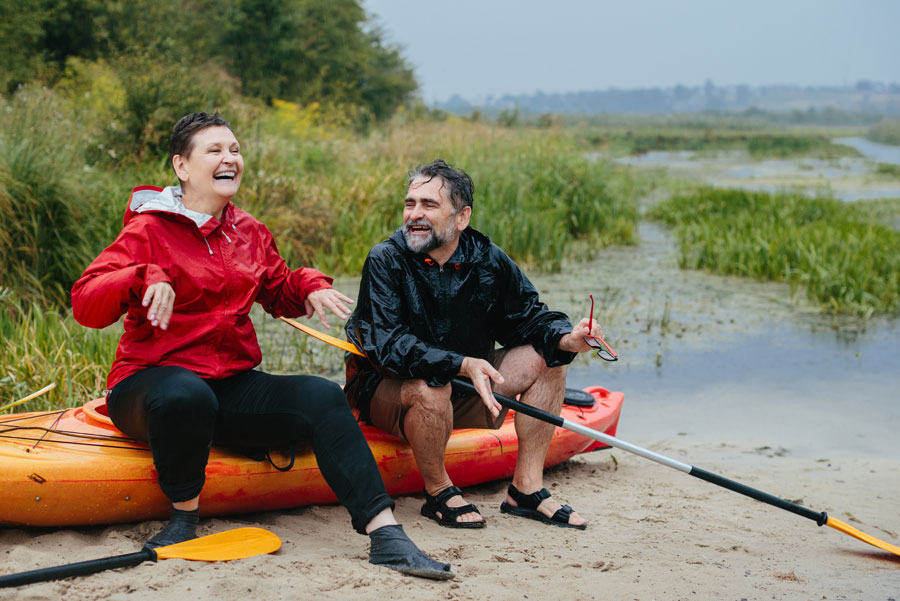
Building on Amber’s points about group size, Norm emphasizes the importance of having the right team, saying, “Many multi-day trips can fall apart due to group dynamics.” Norm suggests that when paddling with a partner or in a group, “It is a good idea to communicate before the trip on group goals, values, and risk tolerance so everyone is on the same page throughout the expedition.” Norm builds on this by saying, “Solid group dynamics not only make the trip safer but will greatly enhance the shared experience in the wilderness.”
Following these tips will certainly help you have a safe and fun time on and off the water on your multi-day paddling trip. If you have never been on a multi-day trip before and still feel unconfident about planning a trip on your own after reading this article, book a guided trip with Blue Dog Kayaking, Norm Hann Expeditions, or one of the other amazing tour providers listed on our website: https://paddlebc.ca/experiences/