





The first memory I have of polystyrene foam on a beach in British Columbia is watching my younger brother eat it.
My family and I were wandering the shoreline near Sidney on the Saanich Peninsula, exploring tidal pools and various beach jetsam that included various sized blocks of what I came to learn was Styrofoam. My brother was only three or four at the time and, to his credit, the white detritus did look remarkably like popcorn.
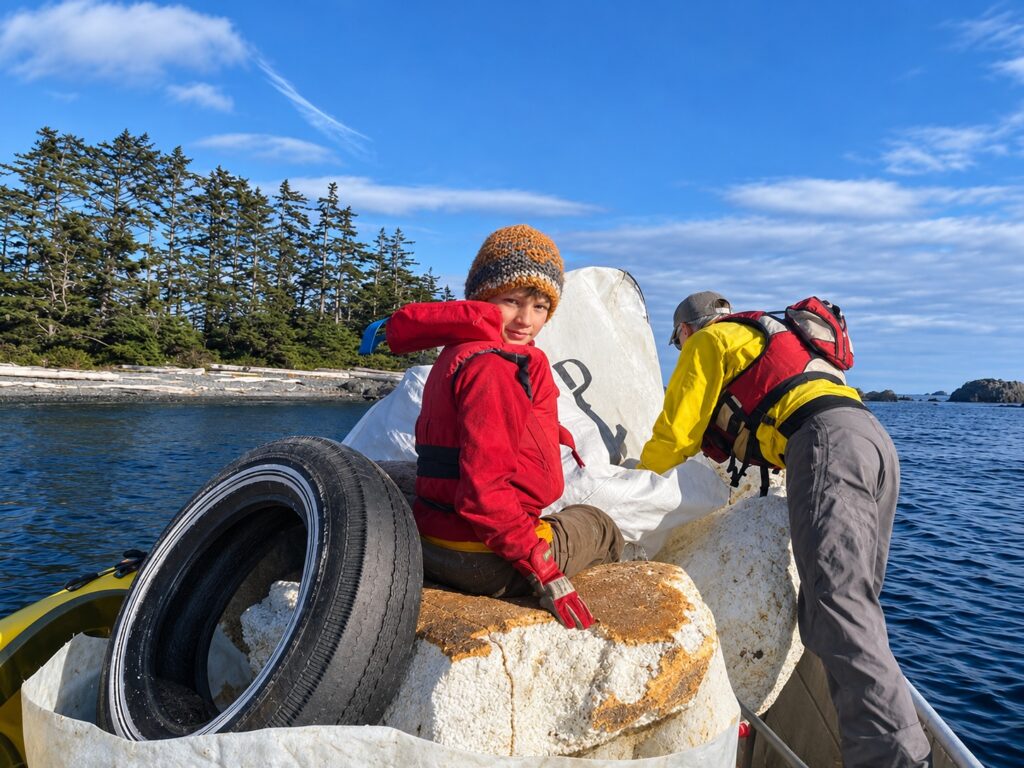
Eventually my parents realized what was happening and made him spit it out. They then warned us of the dangers of the toxic white foam blocks. I remember thinking at the time, “If it’s so dangerous, why’s it everywhere?”
Apparently I’m not the only person to have asked that question and now there’s an entire movement afoot to help remove it from B.C.’s waters and keep it out.
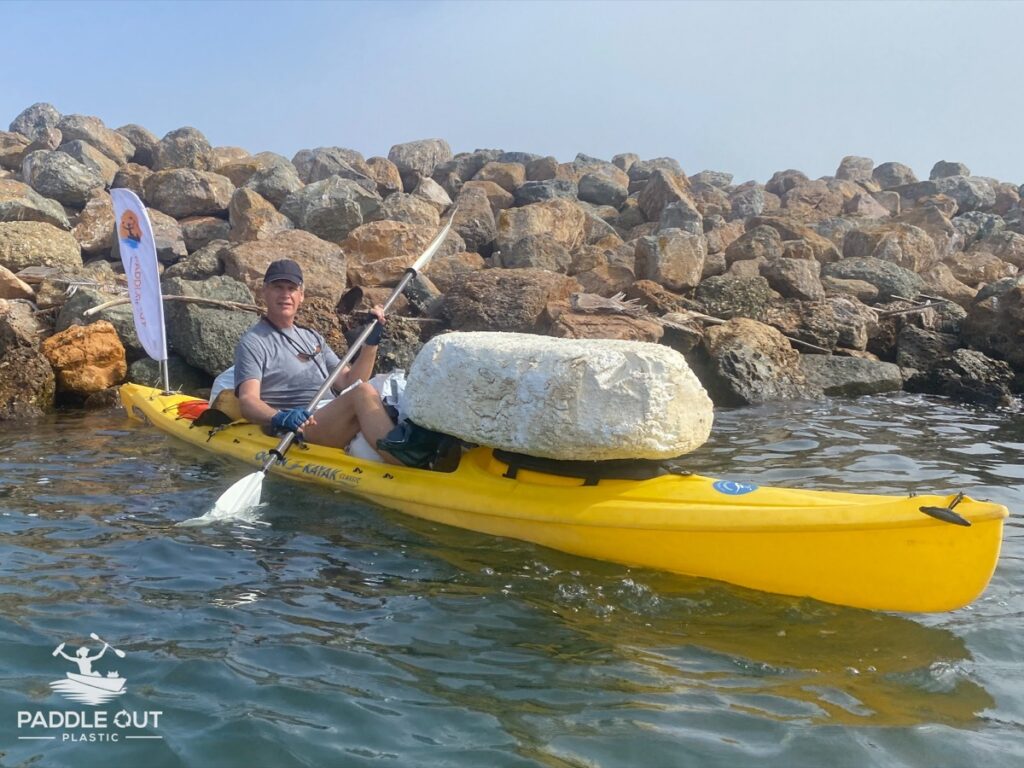
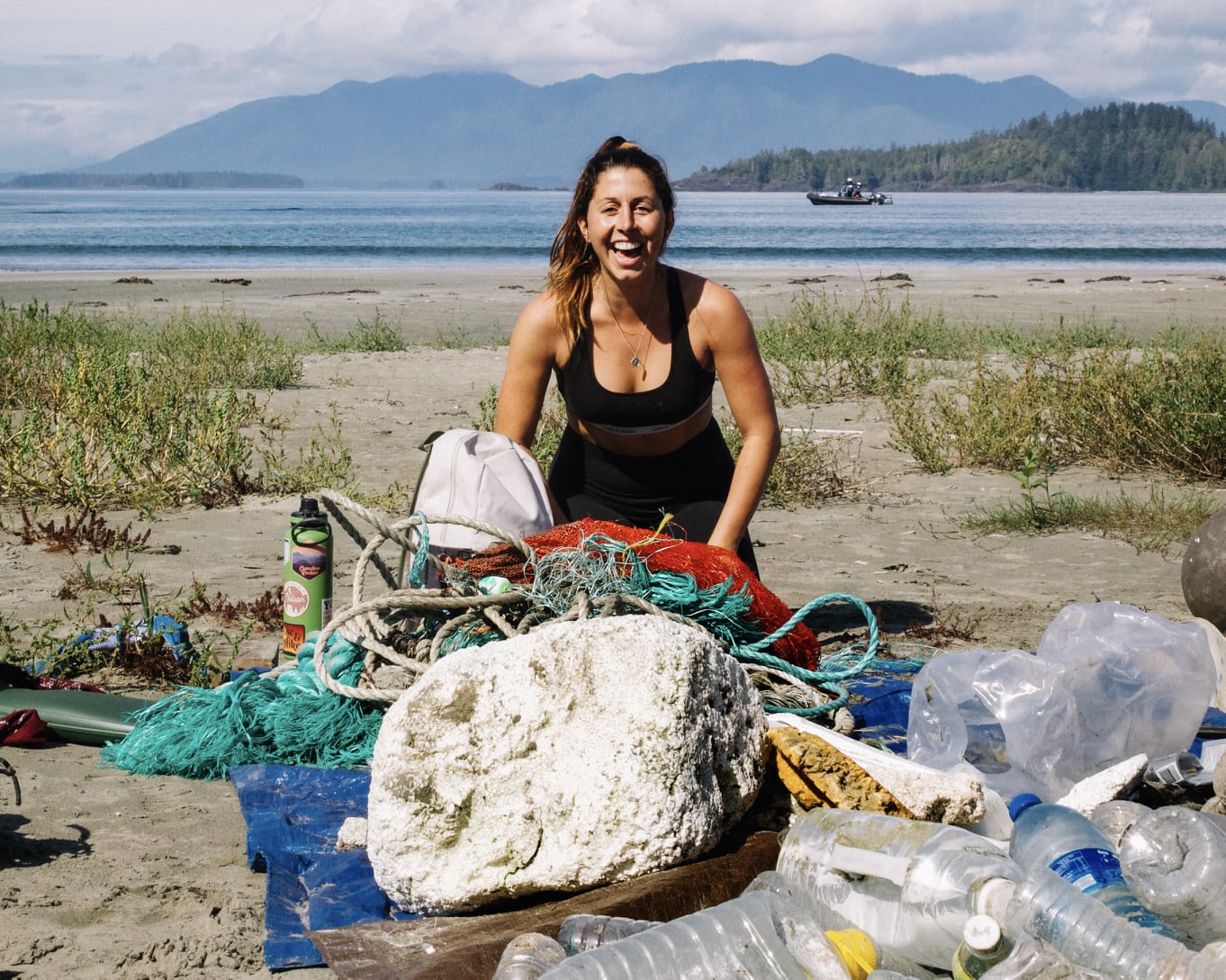
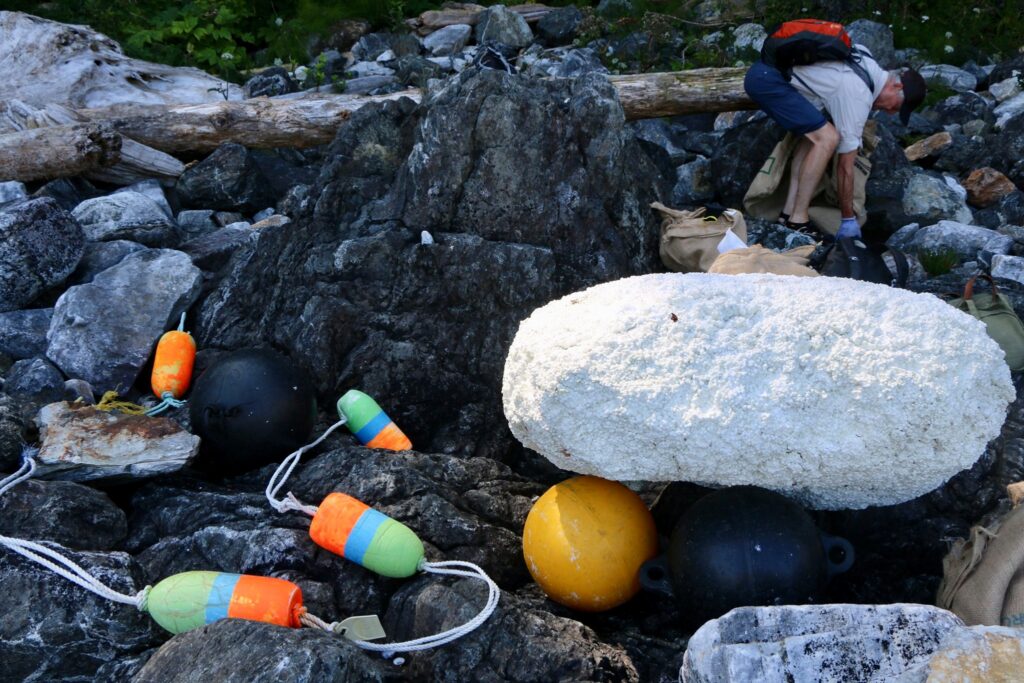
According to Surfrider Foundation Canada, polystyrene accounts for an estimated 50 to 70 percent of the pollution collected by cleanup groups along BC’s urban and remote coastlines. That’s an astonishing amount of waste from a material that has readily available alternatives.
The good news? Something can be done about it. Through its Foam Free Waters campaign, Surfrider Foundation Canada is working to eliminate a major source of this pollution by encouraging governments, businesses, and individuals to rethink how we build and maintain infrastructure on our waterways.
The History of the Foam Free Waters Campaign
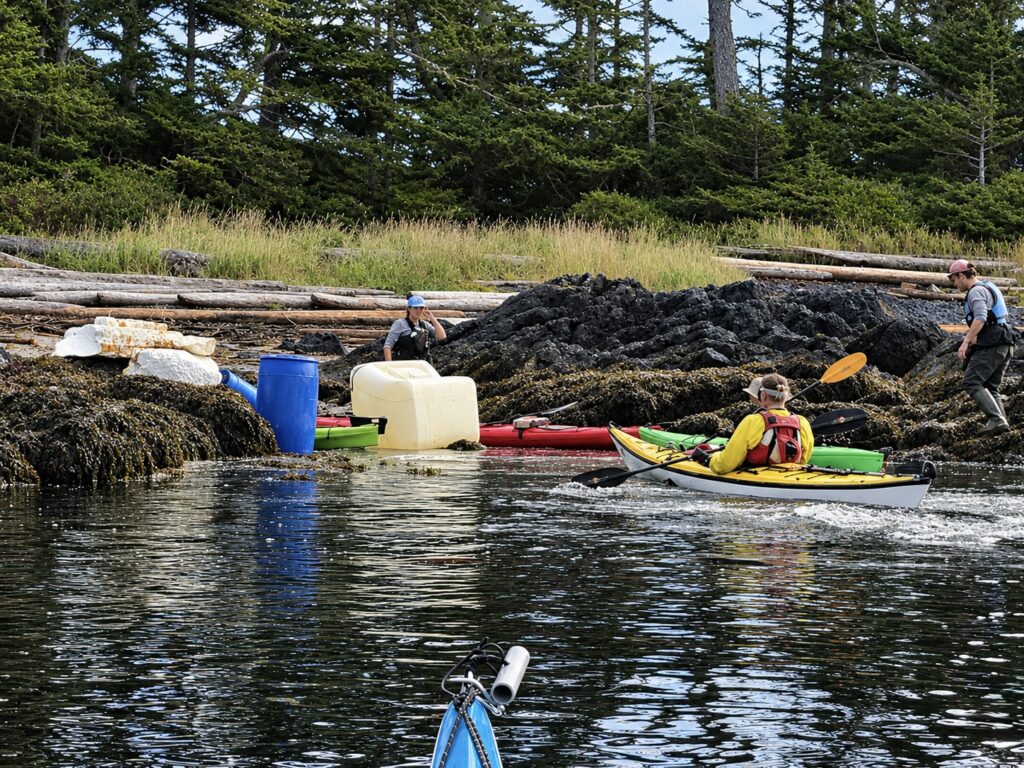
For years, Surfrider Foundation Canada and its volunteers have been collecting plastic debris from beaches and coastlines. Again and again, they’ve encountered the same problem: enormous quantities of broken-down polystyrene foam.
In 2022, the organization helped build momentum for change when local governments unanimously supported a resolution at the Union of British Columbia Municipalities convention calling for a ban on expanded polystyrene (EPS) in aquatic environments.
A federal petition calling for similar action also gathered thousands of signatures. Although the federal government declined to implement the requested ban, the campaign helped demonstrate widespread public concern.
Other jurisdictions have moved forward. Ontario introduced restrictions on unencapsulated foam in floating docks and buoys in 2022, while Washington State enacted legislation in 2023 restricting the sale and installation of certain foam flotation products beginning in 2024.
Why Polystyrene Is Such a Problem
Polystyrene is popular because it’s lightweight, buoyant, and inexpensive. Unfortunately, those same qualities make it a nightmare when it escapes into the environment.
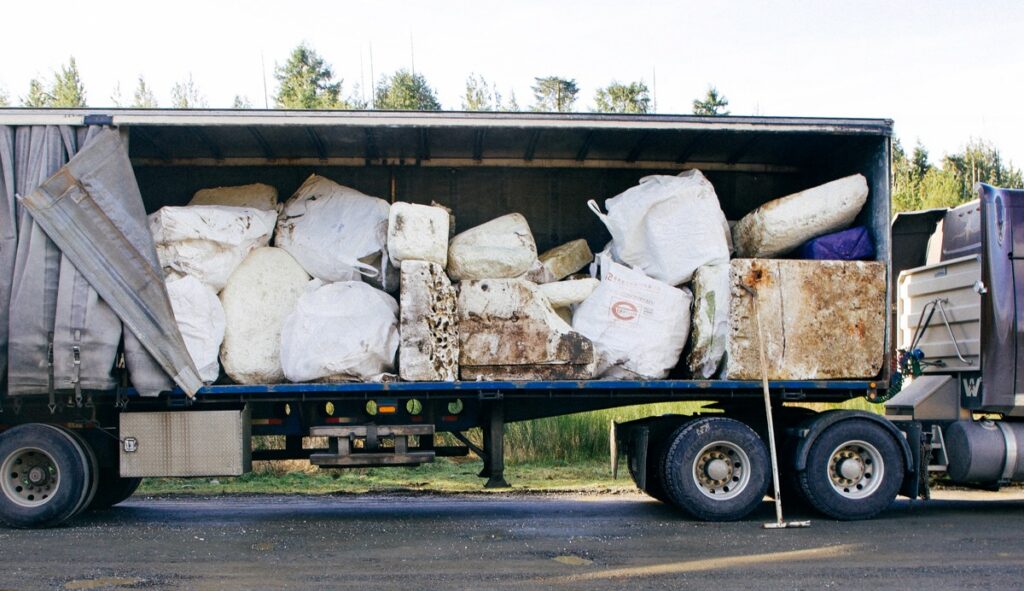
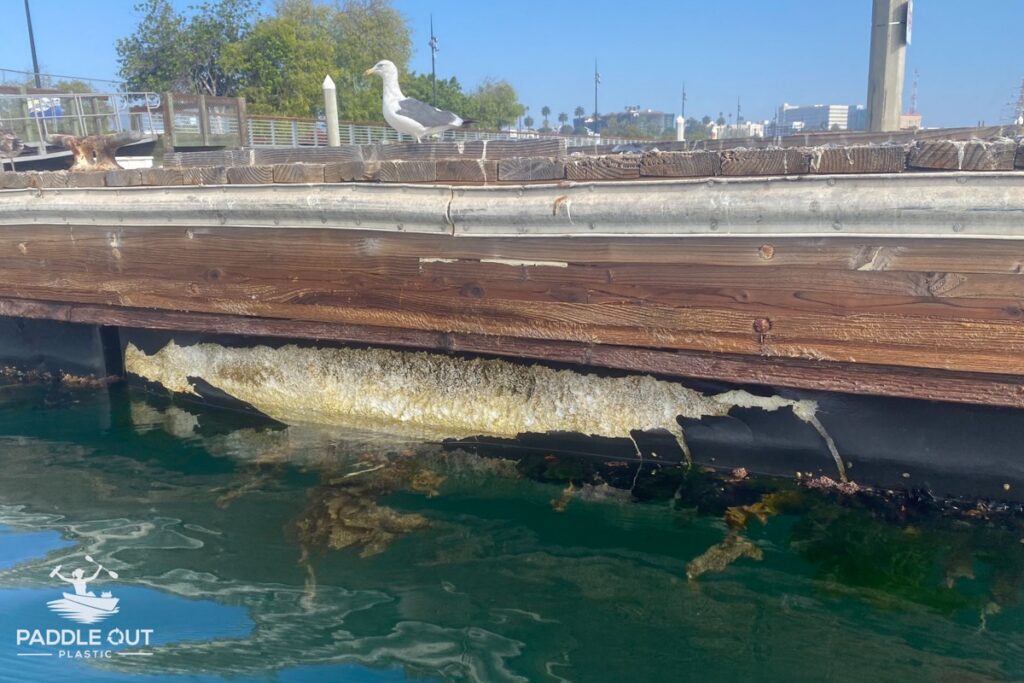
Exposed foam used beneath docks and floating structures can deteriorate through weathering, wave action, and physical damage. Once released, it breaks into increasingly smaller pieces that are difficult, if not impossible, to recover.
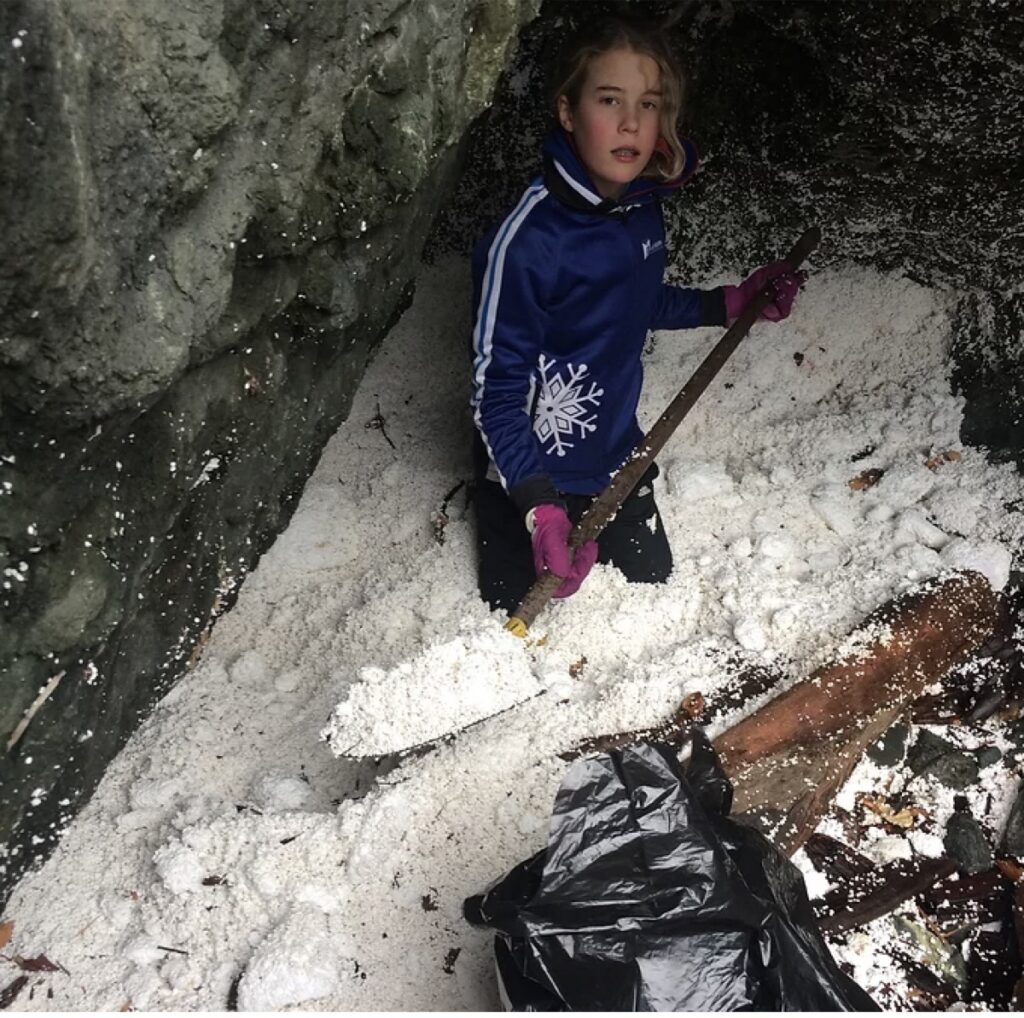
These fragments can be mistaken for food by fish, seabirds, and other wildlife, including my brother. They also contribute to the growing problem of microplastics in aquatic ecosystems.
Recycling isn’t a reliable solution either. Foam recovered from shorelines is often contaminated with sand, seaweed, and marine organisms, making it unsuitable for conventional recycling.
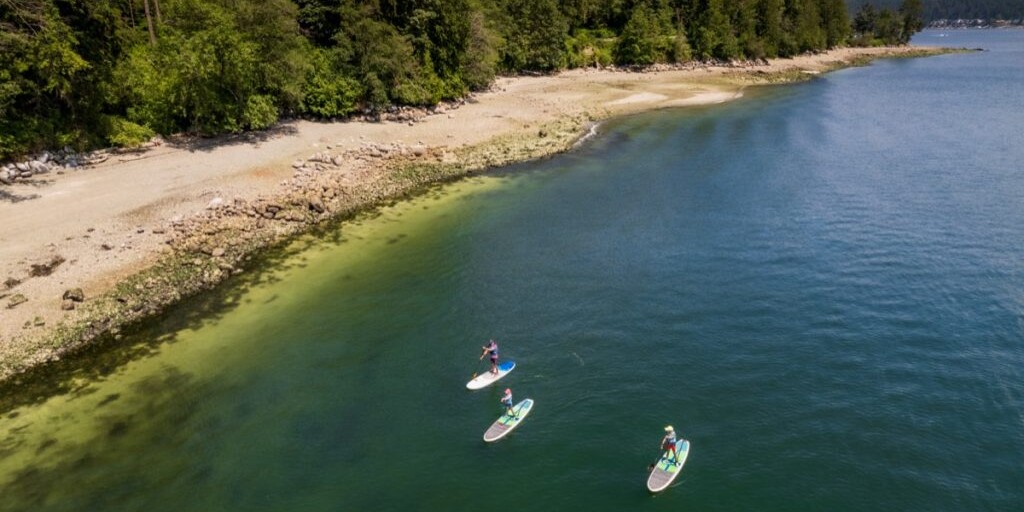
For paddlers, the problem is especially noticeable. Exploring quiet coves and remote shorelines often means encountering debris far from the communities and facilities where it originated.
The Solution: Better Floats & Smarter Regulations
Fortunately, keeping docks afloat doesn’t require leaving exposed polystyrene in the water.
Surfrider is advocating for a federal ban on unencapsulated EPS in aquatic infrastructure, including docks, marinas, and aquaculture operations.
One promising alternative is air-filled flotation systems made from durable materials such as high-density polyethylene (HDPE). These products are designed to withstand harsh marine conditions without releasing countless foam particles into the environment.
Several Canadian manufacturers already offer alternatives, including New Wave Docks, Sandale Utility Products, and Campbell River-based Poseidon Ocean Systems.
Importantly, the campaign isn’t calling for a ban on all foam products. Surfboards, for example, generally contain encapsulated foam and aren’t the target. The focus is on eliminating exposed foam that can readily escape into our waterways.
How Paddlers Can Help
You don’t need to own a dock or operate a marina to make a difference. As people who spend time on BC’s waterways, paddlers have an important role to play.
- Support the campaign. Visit Surfrider’s Foam Free Waters page to learn about the campaign and current opportunities to advocate for stronger regulations.
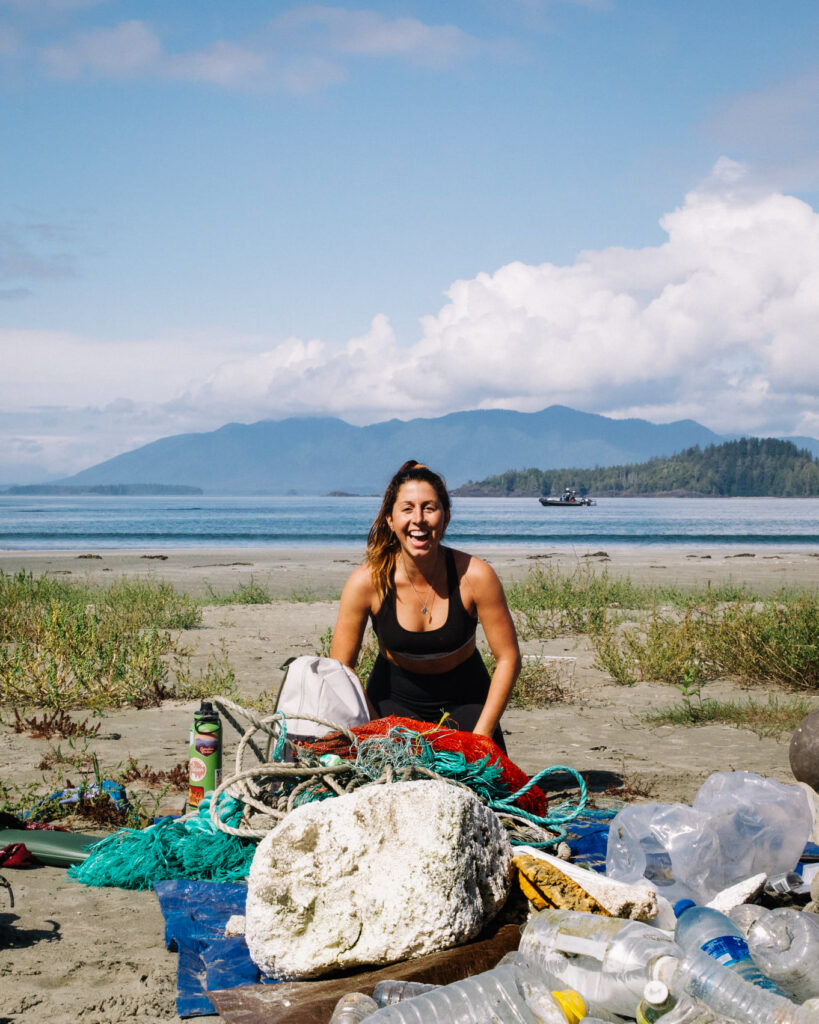
- Join a shoreline cleanup. Surfrider chapters regularly organize beach cleanups, and participating is a great way to help remove debris before it breaks into smaller pieces.
- Speak up about foam flotation. If your local marina, paddling club, or waterfront facility uses exposed polystyrene, encourage its replacement with more durable alternatives.
- Donate or volunteer. Support Surfrider Foundation Canada’s work to reduce plastic pollution and promote cleaner waterways.
Ultimately, Foam Free Waters is about preventing pollution before it happens, rather than relying on volunteers to clean it up afterward.
And that’s something every paddler can get behind. After all, the less time we spend pulling plastic from our waterways, the more time we can spend enjoying them.