







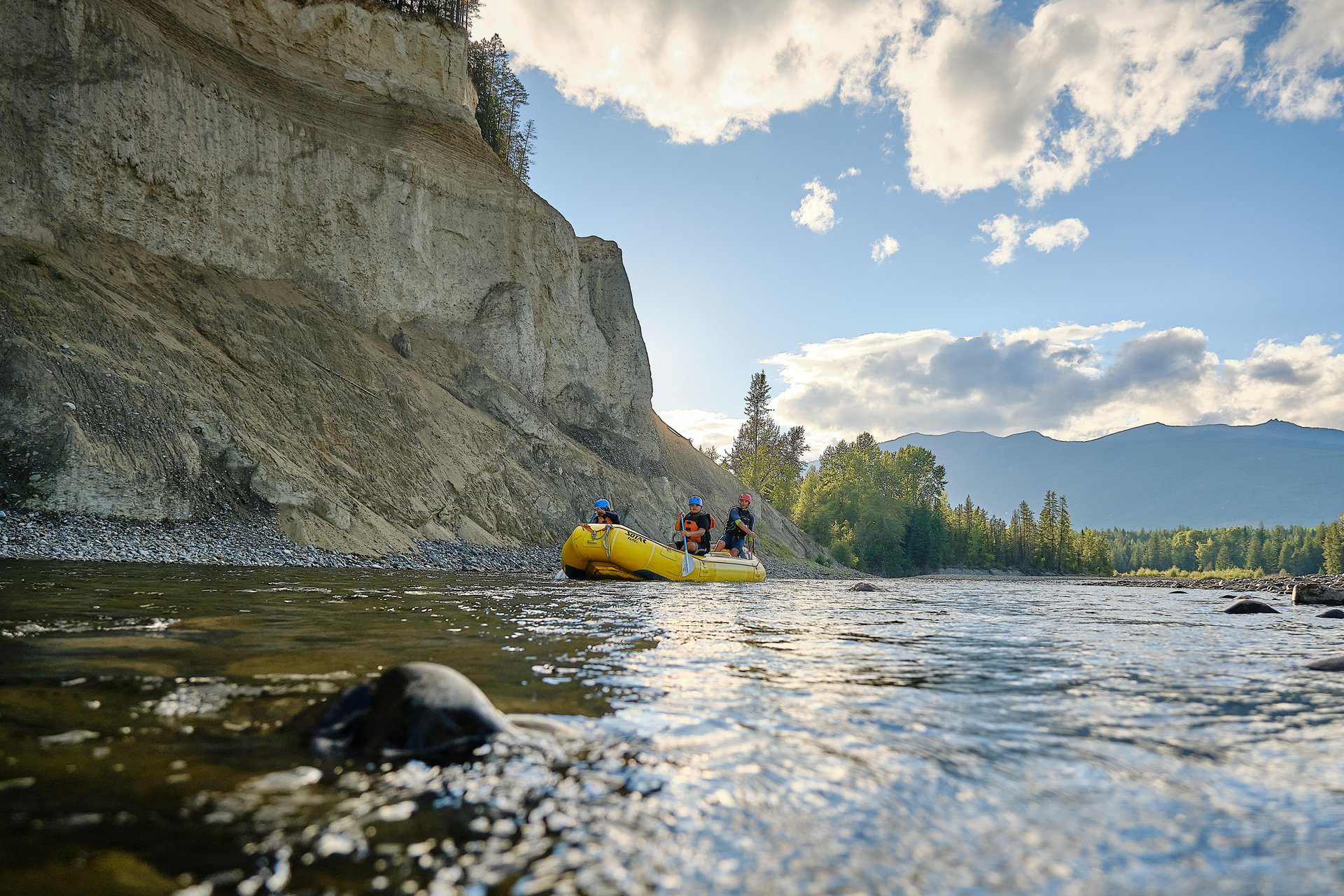
Located in the East Kootenay region of British Columbia, the city of Cranbrook is quickly making a name for itself as an outdoor recreation hot spot. Yes, anglers have always plied its waters and golfers discovered its manicured courses years ago, but now mountain bikers and paddlers are getting wise to this secret gem. Unlike places such as Banff, there aren’t any crowds in Cranbrook and people have been known to have entire lakes to themselves when paddling. For more about paddling those lakes, check out our article called “Cranbrook: Land of Secret Lakes.” For this story, however, we’re going to concentrate on the many excellent rivers that paddlers of all abilities can enjoy when travelling in Cranbrook.
“We’ve got something for everyone here,” says Rob Porter, owner of Just Liquid Sports in Cranbrook. “If you’re looking for excitement, you’ll find it on the St. Mary; if you want a mellow family float, the Kootenay delivers; and if you’re ready to push your skills, the Bull River is incredible.” Rob has been paddling the waters in these parts for over a decade and in the list below are his recommendations of the best rivers to paddle in Cranbrook.
Kootenay River
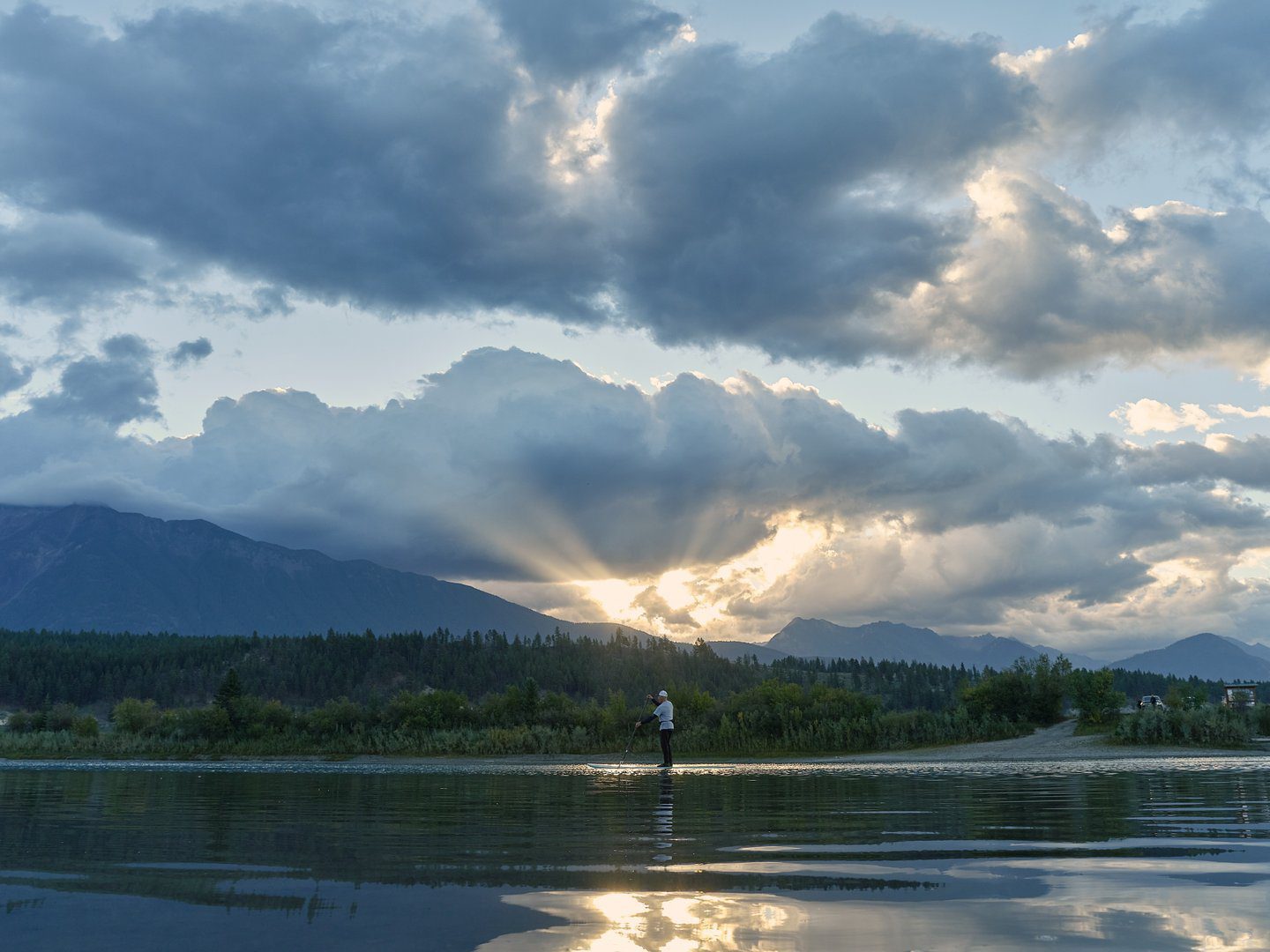
Running south from Canal Flats past Fort Steele and on toward Cranbrook, the Kootenay River is ideal for those seeking a more relaxed float. “It’s a slow-meandering river with very few rapids,” Rob explains. “Class 1 most of the time and maybe Class 2 if it’s super high flow.”
The river tends to run highest in late May through June, depending on snowpack, and during these times, the current quickens and offers enough momentum for long, scenic day trips. However, paddlers should keep an eye out for hidden deadheads and root balls. These logs that are hidden just beneath the surface don’t pose a serious threat unless you capsize but it’s important paddlers be aware of them. “Everything flows into the Kootenay, so there’s a lot of wood in it,” says Rob. “Any tributary feeding it brings more in, and they get stuck in the sandy bottom.”
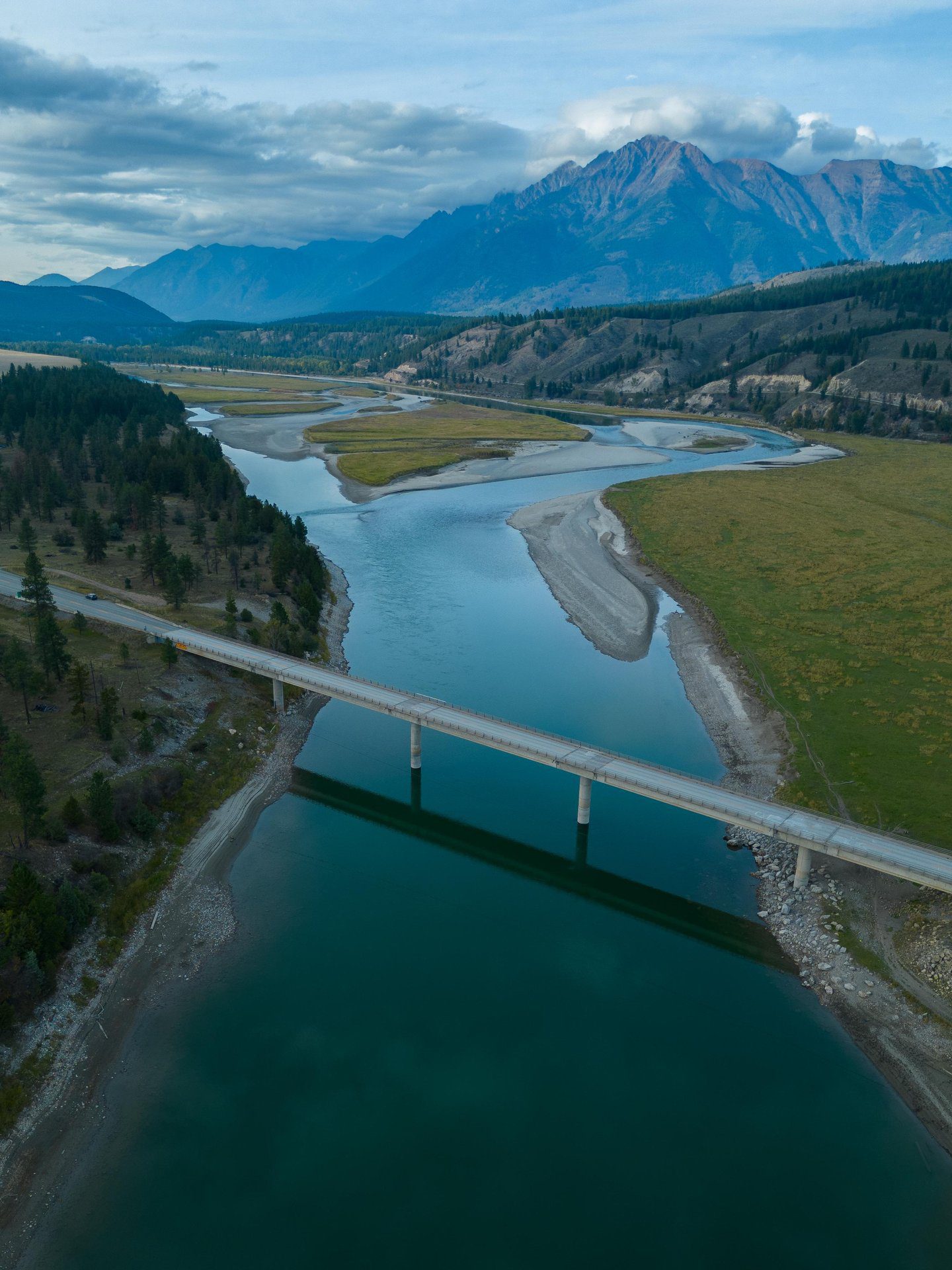
A good half-day float is from the Fort Steele area downstream toward the community of Wardner. The channels sometimes split and rejoin, offering a variety of routes for those comfortable with navigation. Just be aware of sweeper trees. The Kootenay is a top pick for families because of its calm stretches, wide vistas, and abundant wildlife, from osprey and deer to the occasional elk on the shore.
Recommended sections:
- Bummers Flats (just south of Wasa) to Fort Steele – takes approximately 3-4 hours depending on river levels. This section has a few rapids from the St. Mary’s Confluence to the take out at Fort Steele. Watch out for a sweeper near the end.
- Fort Steele to Wardner — Those embarking on this 6-hour paddle should stick to the main channel as the smaller ones tend to get jammed with wood. Expect some minor rapids.
High water: Late May through June
Watch for: Hidden deadheads and root balls lodged in the sandy bottom
Skill level: Beginner to intermediate
St. Mary River
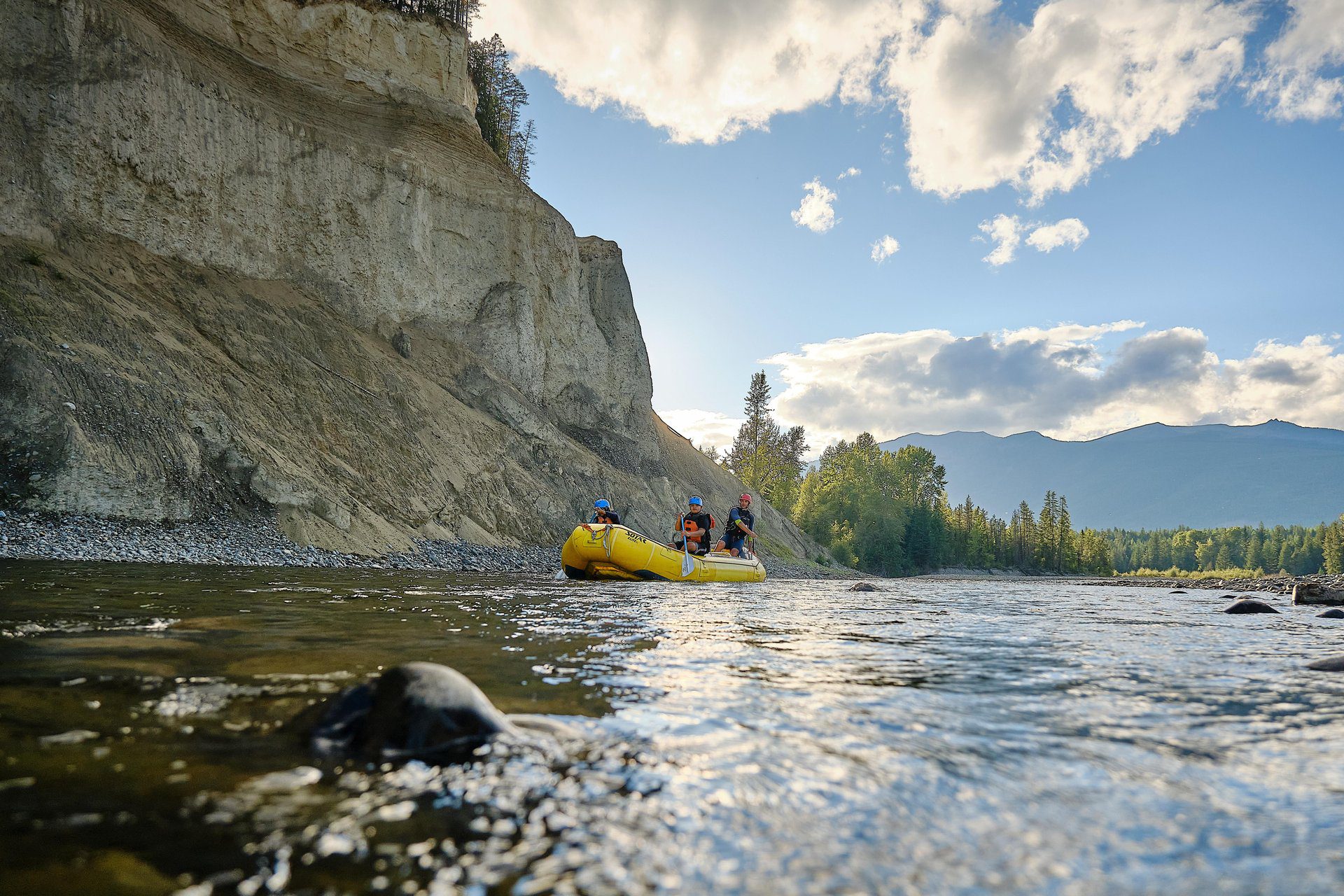
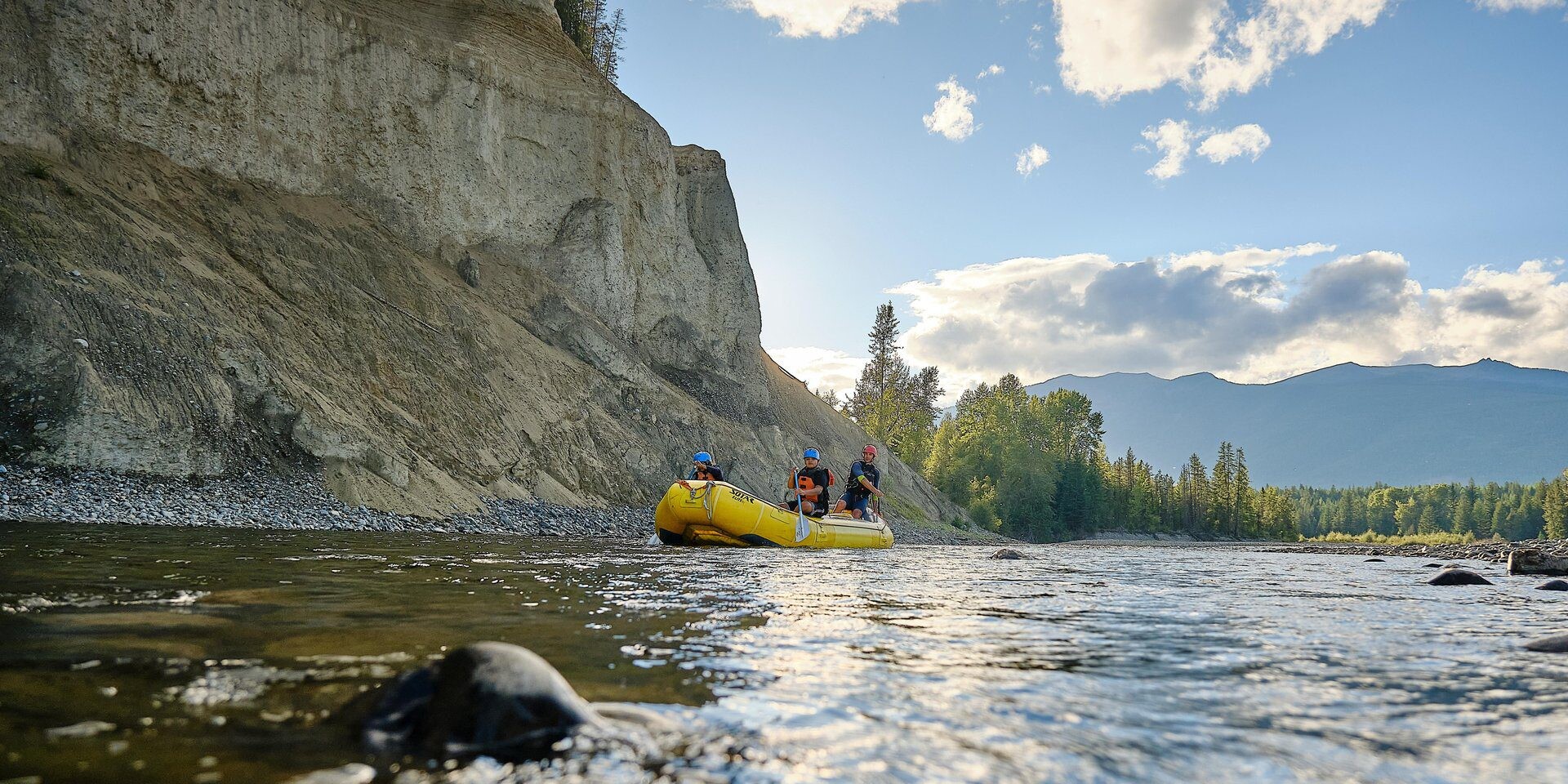
Flowing west from St. Mary Lake toward Marysville and the Kootenay River, the St. Mary River is Cranbrook’s best-known whitewater run. It’s a favourite early-season paddle, offering a lively combination of mountain scenery and accessible rapids. “The St. Mary is super fun in early spring,” says Rob. “It’s good Class 3-plus water when the snowmelt’s running high, and it lasts about two months before levels start to drop.”
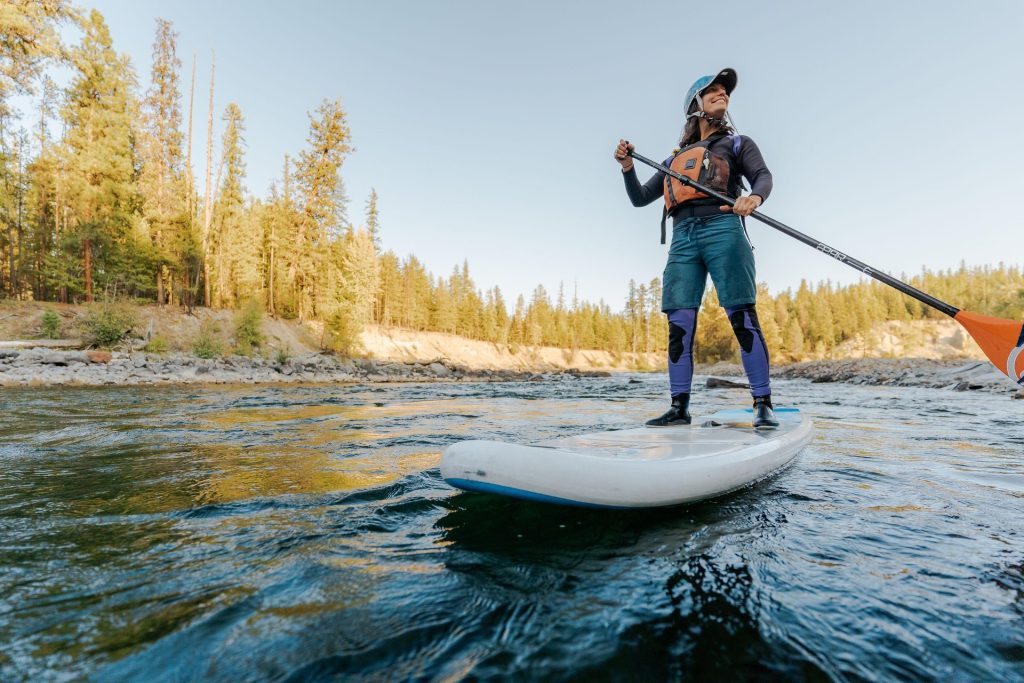
When the flow is lower later in summer, the river remains suitable for rafting, but canoes and kayaks might scrape bottom in spots. The most popular section begins at Matthew Creek and ends at Marysville, with a steep hike out near the sewage facility. For those looking for a longer, slightly mellower day, put in at St. Mary Lake and take out at Matthew Creek. Paddles can expect mostly Class 2 water but should be aware of sweeper trees around the bends. That said, the river’s clear pools and surrounding pine forest make it one of the region’s most scenic paddle outings.
Recommended sections:
- St. Mary Lake to Matthew Creek — mostly Class 2
- Matthew Creek to Marysville — Class 3+ in spring; exciting and fast with a short hike-out near the sewage facility.
High water: May–June
Watch for: Sweepers and downed trees on corners
Skill level: Intermediate to advanced
Bull River
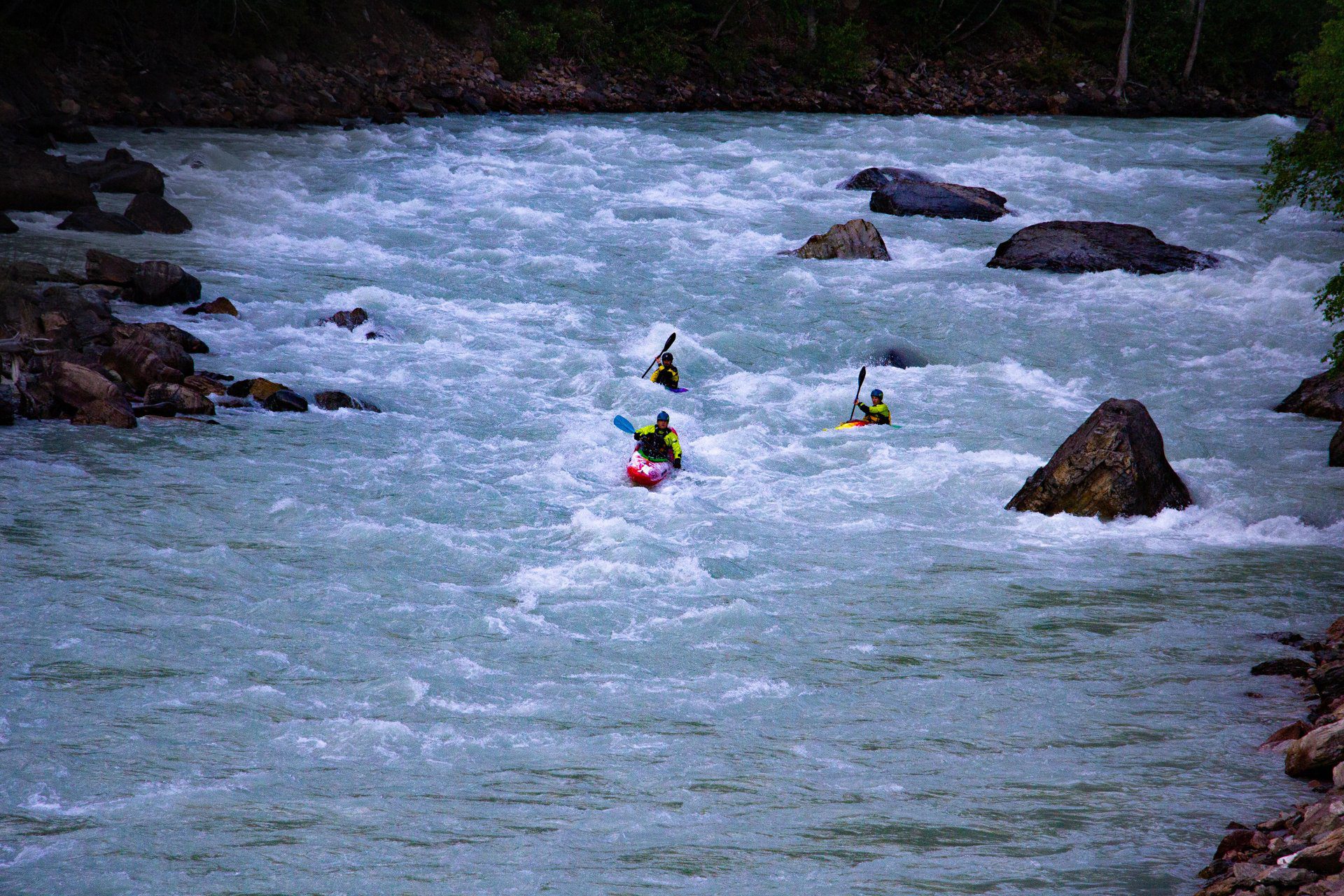
For paddlers craving action closer to Cranbrook, the Bull River is a classic. Flowing through steep canyons and turquoise pools east of town, it’s known for its Class 3–4 rapids during the spring runoff. “We run a Friday night community paddle there,” says Rob. “It’s an unofficial local night—everyone comes out. We run the upper and lower canyon, all above the dam.”
The Bull typically peaks in May and early June, when meltwater transforms it into a high-energy playground. One of its most famous features is Avalanche Wave, a 10-foot standing wave with reliable eddy service that draws kayakers from across the region. Because of the limited public access points and the technical nature of the rapids, this river is best for experienced paddlers or guided trips.
Recommended sections:
- Upper Canyon to Lower Canyon (above the dam) — strong Class 3–4 whitewater in May and early June
- Avalanche Wave — a 6- to 8-foot standing wave with dependable eddy access, ideal for playboating and surfing
High water: May–early June
Watch for: Limited public access and steep canyon walls. Novice paddlers must pull out at the bridge where the lower section begins in spring runoff as anything below this is Class 4+ and swimming is not an option.
Skill level: Advanced
Creek Boating Around Cranbrook
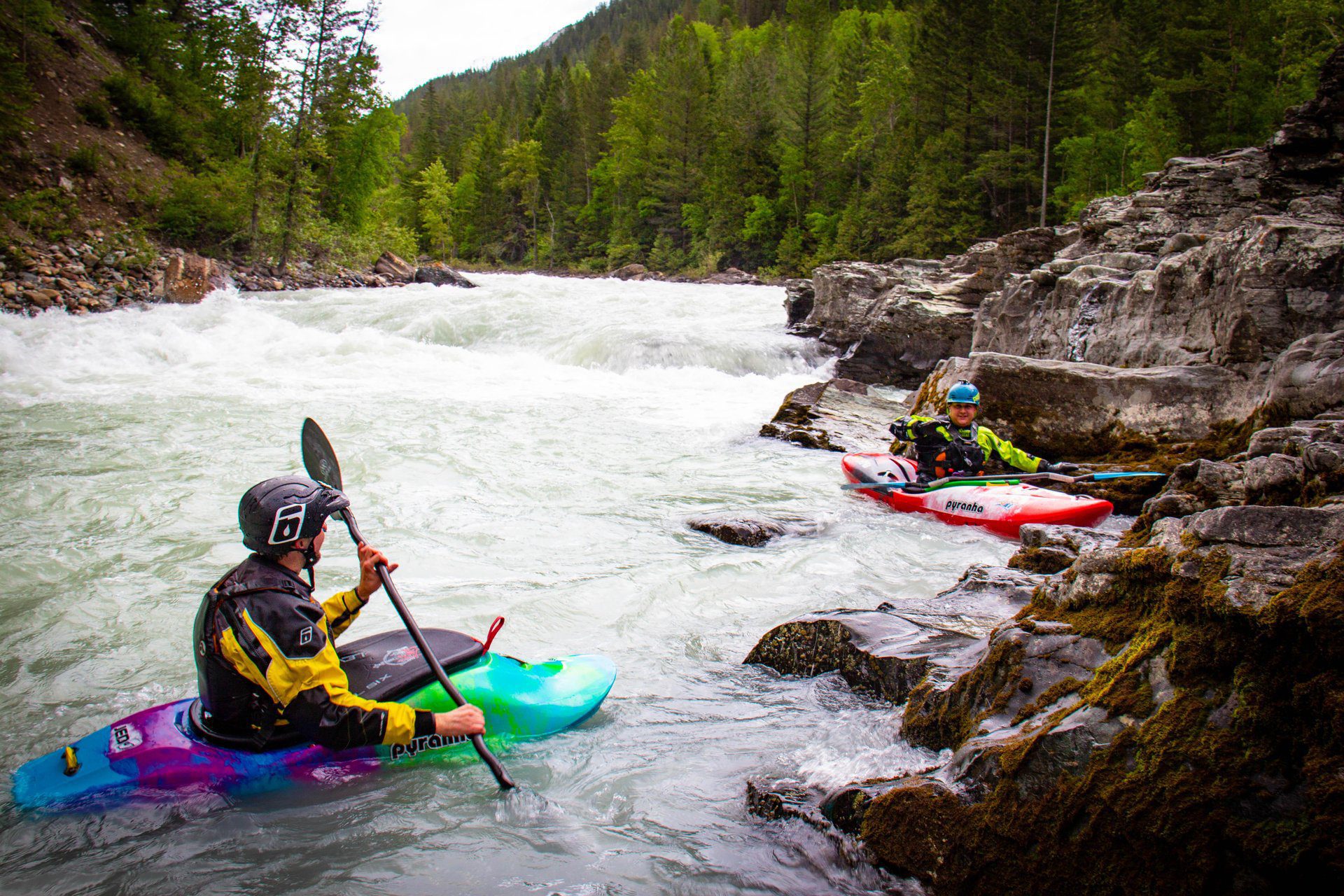
For expert paddlers chasing whitewater, the Cranbrook area is home to several creeks that deliver short but intense runs. These routes are dependent on snowmelt and primarily run in the spring season. For specific info about these creeks, hit up the staff at Just Liquid Sports.
- Skookumchuk Creek: About a 25-minute drive from Cranbrook, this is a Class 4–4.5 run that offers four to five hours of continuous, technical whitewater. It’s a consistent spring run that occasionally carries some wood, though “it usually gets washed out,” says Rob.
- Wildhorse Creek – Roughly an hour-long descent featuring Class 3+ rapids. This narrow creek flows through rugged forest terrain, making it a favourite for confident paddlers who enjoy tight lines.
- Moyie Creek – This Class 3+ to 4 run begins dramatically with a 58-foot waterfall. (It can be portaged around, however.) The full run takes about an hour and a half and is only for skilled paddlers comfortable with scouting and fast water.
- Middle Elk River – About a 40-minute drive from Cranbrook, this section includes the well-known “Leap of Faith” waterfall and sustained Class 4 rapids.